Lyophilized Peptide Storage: Temperature Level, Moisture, & Light It is feasible to harmonize andstandardize immunoassays or mass spectrometric assays (74 ). Measurable mass spectrometry-based assays are adversely influenced by alack of correct procedures for keeping and taking care of peptides. When secure isotope-labeled internalstandards are included post-digestion, cysteine residues in artificial peptides needto be present in the identical alkylated form (e.g., carbamidomethylated, delta57 amu). Synthesis of peptides consisting of chemical adjustments such asphosphorylation or acetylation is currently routine. Nevertheless, it deserves keeping in mind thatsynthesis of multiply phosphorylated peptides have a higher failure price thansingly phosphorylated peptides.
Clean And Sterile Laboratory Handling
. Prior to opening, permit the sealed vial to reach room temperature level to prevent condensation. This easy step assists avoid internal dampness buildup, a leading source of peptide deterioration [5] For risk-free peptide storage, constantly minimize open-vial exposure time and reseal containers without delay. Reconstituted peptides should be kept at 2-- 8 ° C( common refrigerator temperature) in the rear of the main compartment. Discover more here Never freeze reconstituted peptides, as ice crystal formation damages the peptide structure. Use within the compound-specific duration-- normally 14-- 56 days depending on the peptide. For day travel, go for a secure, shaded atmosphere inside your bag. Denaturating representatives, such as urea or guanidinium hydrochloride might be utilized to solubilize peptides which tend to aggregate. The reconstitution of the aggregated peptide may use up to numerous hours. Sonication for a number of minutes in a water bathroom might be helpful to accelerate the dissolution of bigger particles. This advice helps researchers navigate the complexity of multi-peptide procedures. After reconstitution and before sealing the vial for storage space, delicately circulation inert gas into the headspace for numerous seconds. This displaces oxygen-containing air and produces a safety environment. Contaminated solutions trigger shot website infections.
After each coupling step, the Nα-blocking group is removed with repeated security and deprotection steps.
To stay clear of pitfalls in interpreting targeted LC-MS/MS peptide and proteinmeasurements, it is crucial to appropriately recognize the measurand (i.e., the quantityintending to be measured).
With over 25 years of know-how, XUEFILL is a professional fluid loading maker supplier offering manufacturing facilities worldwide.
All products supplied by NuroLabs Research study are designated strictly for lab study usage and have to be managed by certified workers under proper conditions. Used in certain atmospheres however not appropriate for every single peptide. At NuroLabs Research study, peptides are provided purely as lyophilised solids, allowing full control over how they are combined and saved. RUO materials typically utilize retest dates, not expiration days. A flawlessly kept peptide will, theoretically, not degrade. By managing these aspects-- and adhering to correct reconstitution and aliquot procedures-- researchers maintain speculative reproducibility and secure COA-verified purity. These molecules are inherently fragile and CJC-1295 No DAC can weaken if revealed to suboptimal conditions. In fact, most therapeutic peptides call for a cold-chain during storage space and transport as a result of their instability in warmer settings. Also as powders, peptides can go through chemical adjustments (deamidation, oxidation, etc) or physical gathering if subjected to warmth, humidity, or oxygen.
What counteracts peptides?
Salicylic acid''s exfoliating activity might undercut the peptides, reducing their skin-repairing advantages. Recommendation: To avoid any interaction, use salicylic acid and peptide products at various times. For instance, integrate salicylic acid in your early morning routine and peptides in your night regimen.
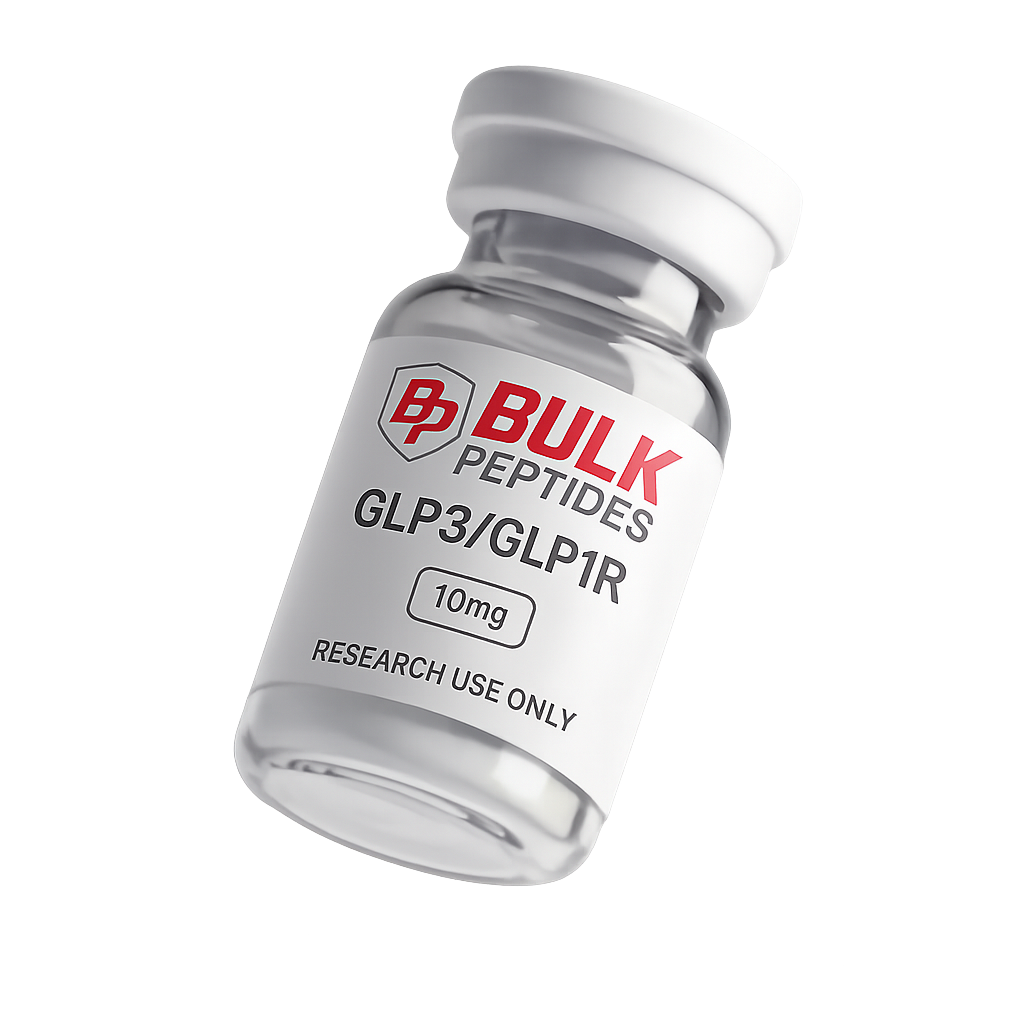
In functional terms, guaranteeing optimal lyophilized peptide storage conditions maintains both pureness (less contaminations in time) and strength (higher activity), extending valuable life span and preventing waste. Amino acid calibrants and peptide/protein QC materials must be selectedcarefully to make sure accuracy of the measurements. Calibrants need to imitate themeasurand( s) as identically as feasible in both concentration and structure/form. Calibrants should be characterized for purity, both natural and inorganiccontaminants, in addition to for water content. Forisotope-dilution dimensions, secure isotope-labeled interior standards mustconsist of matrix- and exact-matched analogs of the target measurand. Return reconstituted peptides to refrigerated storage immediately after use. Don't leave vials resting at room temperature while you attend to other tasks. Bacterial development accelerates considerably at cozy temperatures. The vial itself matters more than a lot of researchers appreciate. Common study vials hold 2-3 milliliters, with the 3mL borosilicate glass vial being the sector criterion for peptide compounds. The dimension gives adequate headspace for proper reconstitution while maintaining the powder cake accessible at the bottom.
Preventing Rubber Stopper Coring
Some vials get here with positive pressure, others with adverse stress. Stoppers are made from butyl rubber or similar elastomeric materials created to maintain seal stability throughout numerous leaks. The target ring on top shows where needles need to puncture. The majority of stoppers endure approximately 10 slits before seal deterioration comes to be concerning, though this varies with needle scale and technique. SeekPeptides members gain access to comprehensive procedures that match particular vial amounts to research objectives.
Basic Concentration Calculations
Notably, see to it that you utilize clean and brand-new containers, since your peptide samples must be kept as pure and as intact as feasible. Appropriate storage space and handling of Kisspeptin-10-- from receipt of the lyophilised powder via reconstitution and use-- are crucial for maintaining peptide activity and ensuring trustworthy research study outcomes. Trick principles include maintaining lyophilised peptide cold and completely dry, reconstituting with suitable lorries, minimising freeze-thaw cycles, and preserving careful paperwork. Complying with these methods will maximise the worth and dependability of your Kisspeptin-10 supply. After reconstitution, when kept at 2 to 8 ° C, solutions are normally made use of within a longer timeframe, commonly up to around 28 days under regulated conditions. By being mindful of these pitfalls-- solvent choice, gentle handling, punctual cold store, and cautious calculations-- you can stay clear of the most usual reconstitution blunders.