Bpc 157 Tb 500 Blend Thymosin beta-4 was originally isolated from calf thymus tissue in the 1960s. TB500, an artificial derivative of the thymosin beta-4 protein, is widely identified for its capability to boost cell migration, repair service cells, and accelerate healing. In contrast, BPC-157, derived from a normally taking place safety protein in human gastric juice, has obtained popularity for its remarkable results on tendon, tendon, and intestine repair service. Preclinical pet studies and laboratory versions have actually reported that both peptides may affect inflammation inflection, mobile migration, angiogenesis, and connective cells signaling. These findings are based upon speculative study and help researchers discover just how peptide-mediated signaling networks add to cells response dynamics.
Bpc-157, Tb-500 & Ghk-cu Research
The multi-peptide technique commonly supplies better total tolerability than making use of greater doses of solitary peptides. Simultaneous activation of tissue repair work, anti-inflammatory, immune, and regenerative paths addresses recovery from every angle for optimum results. The declarations and items have actually not been reviewed Peptide Blend by the U.S.
Does BPC-157 help joint inflammation discomfort?
A peer-reviewed post (Lee et al., Alternative Therapies in Wellness & & Medicine, ~ 2021) explains: 12 clients with persistent knee discomfort. Treated with intra-articular BPC-157, commonly combined with TB-500. 7 of 12 reported symptom improvement lasting numerous months.
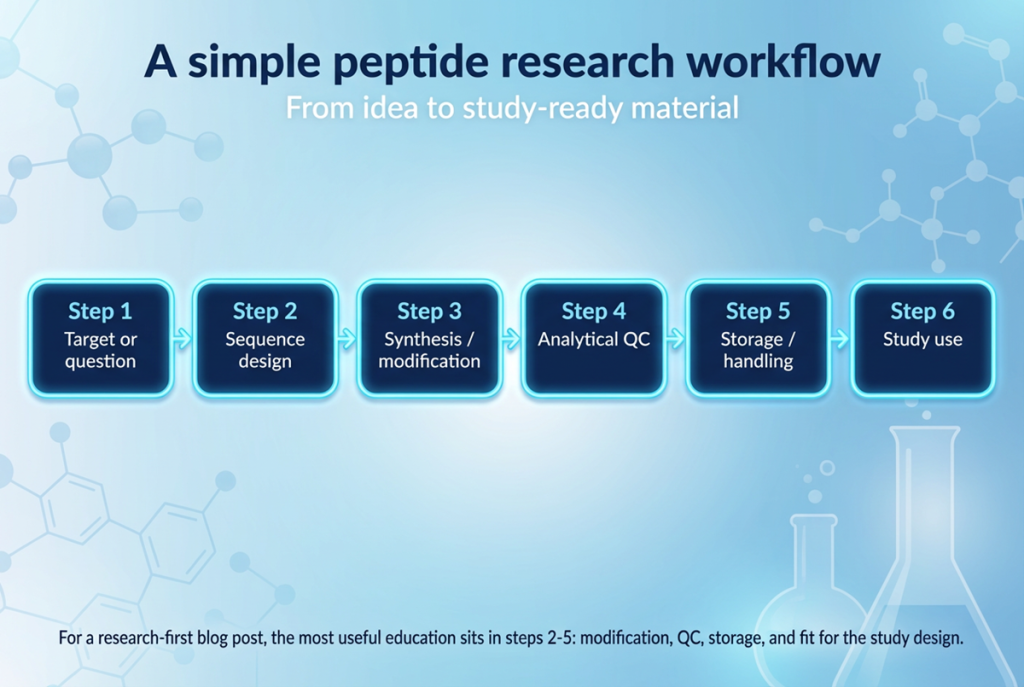
For research integrity, BPC-157/ TB-500 must be stored in an awesome, dry setting far from direct light. Long-lasting storage space is generally advised at icy temperature levels. Reconstituted remedies used in research laboratory setups must be handled according to standard research study methods and discarded properly.
Amino Acid Series
For instance, some weightlifters describe minimized downtime after muscle mass and ligament injuries when utilizing BPC 157 and TB 500.
Our clinical group overviews you via every step of your multi-peptide recovery journey.
Consequently, scientists may discover minor packaging variants, including differences in vial caps.
Both BPC-157 and TB-500 are synthetic peptides with substantial recovery homes.
Preclinical pet researches and lab versions have actually reported that both peptides might influence inflammation inflection, cellular movement, angiogenesis, and connective cells signaling.
Scientists NAD+ rely on this combination to support experimental job including peptide interaction versions and controlled signaling research. Its defined make-up, secure habits, and viability for regulated research designs make it a useful device for advanced speculative investigation. → TB-500 might be much more efficient for wide muscle and vascular regeneration as a result of its role in actin policy, cell movement, and angiogenesis. While preclinical information is appealing, it is very important to acknowledge that neither peptide is FDA-approved for human healing use, and most evidence is stemmed from pet or research laboratory studies. Accountable use needs sourcing from relied on intensifying drug stores, careful tracking, and support from a certified doctor. While the initial healthy protein exists in the belly, the 15-amino acid fragment that makes up BPC 157 does not occur normally. Some advantages like reduced swelling and improved recovery may appear within days, while full tissue regrowth and structural healing proceed creating over the complete 6-12 week protocol and beyond. BPC-157 (Body Protection Compound-157) and TB-500 (a synthetic variation of a natural healthy protein called Thymosin Beta-4) are short chains of amino acids called peptides. These substances take place naturally in the body and play vital duties in cellular regeneration, cells repair service, and inflammation control. BPC-157 is an artificial 15-amino-acid peptide whose series represents a partial fragment of a human gastric protein. It is just one of the most frequently referenced peptides in preclinical and in-vitro angiogenesis and cytoprotection research, and a common topic in research laboratory assay growth.
What Should Individuals Prevent While Using Bpc 157?
They are not for human usage, veterinary use, or medical applications. The body transforms 7,000 all-natural peptides essential for biological features. Peptides are short chains of amino acids, the "building blocks" of even more facility healthy proteins. While both peptides have shown amazing safety and security accounts in preclinical and early professional researches, neither is FDA-approved for human use.